


How to choose the right drill bit for any material
Published 11th Dec 2025

If you’ve ever been struck with terror at the sight of a sprawling drill bit selection – only to not quite know which one will do the trick – then you’re not alone.
From DIYers to professional tradespeople we all get it wrong sometimes, but when it comes to drill bits, you can’t afford to mess up often.
Whether you’re working with wood, metal, masonry or plastic, knowing the right drill bit to use can make your job a lot easier and your job a lot more affordable. In short, get it right and your drill bits will last a lot longer.
Today, we’ll lay out a complete guide to choosing the right drill bit for any material. Let’s dive in.
The basics of drill bits
The right drill bit for the right job may seem obvious, but you’d be surprised – it’s not always that clear that some will work with certain materials better than others. This is usually because of their construction, with many drill bits being specially designed for a specific job rather than as a jack of all trades.
Key differences between drill bits include:
- Material of the bit: different metals – such as steel and carbide – serve different jobs
- Tip shape and design: auger, masonry, brad point and more all have their own purpose
- Coating: from cobalt to black oxide, different coatings work better for different roles
Choose the right drill bit for the material
When it comes down to choosing the right drill bit it often depends on the material you’re drilling into.
Masonry drill bit
Masonry materials are some of the hardest to drill, and because of that, the drill bit needs to be tough to withstand wear and tear. A masonry drill bit is usually specially adapted to the job – made of strong steel with a tungsten carbide cutting lip.
When buying a bit to drill any kind of stone, brick, concrete, etc., make sure it’s marked specifically as a masonry drill bit – otherwise you risk damaging your electric drill, the bit or the material you’re working on.
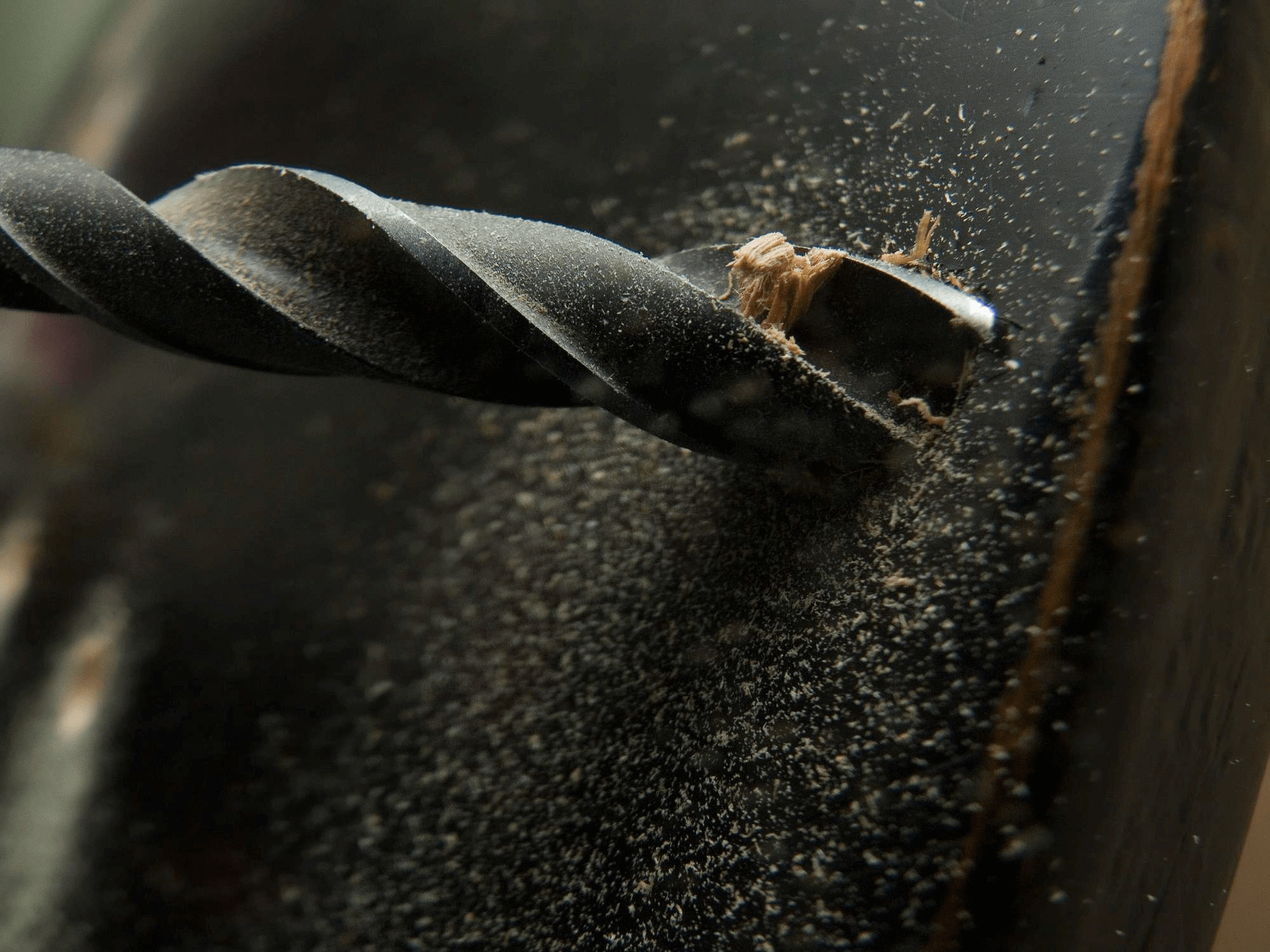
Wood drill bits
While wood is a lot softer than masonry, that doesn’t mean you can use the same drill bit. In fact, which wood drill bit you use will also depend on the type of timber and what you need.
Most wood drill bits are made from steel, but you may also see high-speed steel (HSS), carbon steel, tungsten carbide and more. What you should pay attention to is the tip.
Common wood drill bit tips include:
- Auger drill bits: most common in woodworking – the auger drill bit creates clean, deep holes, with the design removing debris as you drill
- Flat bits: designed to bore larger holes through wood, ideal for creating a wide opening for pipes or wires to run through
- Forstner wood drill bits: a Forstner bit will create a clean-edged, flat-bottomed hole
- Brad point bits: this common wood drill bit features a sharp point to reduce the chances of slipping across the surface
Best drill bit for plastics
Plastics also pose some specific problems while drilling, and the variation in flexibility and brittleness means that no drill bit is a one-size-fits-all when it comes to piercing plastics – but many of the drill bits we’ve already covered will do the job.
The most common bits for plastic include sharp-tipped bits such as the brad point, which make it easier to drill and reduce the chances of slipping while drilling. Many metal drill bits and multi-material bits also work well for thicker, tougher plastics, but may slip without a sharp point. You can also buy specific plastic drill bits that do the job well.
Metal drill bits
Metals can often prove some of the toughest materials to drill, so getting the right bit will save you a lot of time and energy. Often, the drill bit you use will depend on how strong the metal is.
High-speed steel bits are great for working with softer metals, while for harder materials you’ll want to choose a tougher bit such as a cobalt or titanium-coated bit. Luckily for you, metal drill bits are some of the most common, coming in a wide range of multi-piece sets and clearly labelled with their strength and which metals they’re best suited for drilling.
Ceramic and tile drill bits
A hard but brittle material, tiles and ceramics require specialised drill bits to make sure the material does not shatter or crack while boring a hole. Specialised ceramic and tile drill bits usually feature a hardened tip to cut through the material, and are often clearly labelled, so be sure to look out for the correct bit.
Other purpose drill bits
While we’ve covered some of the main drill bits, you’ll need to cut some of the most common materials, there are many more that any DIYer or tradesperson will encounter. For example:
- Countersink: used to create a recess in wood to allow your screw to sit below or flush with the surface
- Cone bit: often used for precision drilling of large holes in metal materials
- Chisel bits: for chiselling into hard materials like masonry, render and plaster
- Multi-use drill bits: all-rounder bits that will take care of many DIY jobs
Other factors to consider when choosing a drill bit
While the material often dictates which drill bit you choose for the job, there are also other factors that will influence your decision.
The drill you use will influence which drill bit you select. Be sure to check the power and torque of your drill before you purchase a bit and, most importantly, make sure the bit fitting is compatible with your drill. Straight shanks, hex shanks, SDS plus and more – make sure you know what will fit your drill.
Of course, the size of the drill bit also needs to match the purpose. For example, if you’re drilling a borehole for a screw, the bit’s diameter will usually need to match the main body of the screw. Always double-check what size you need before you start drilling.
Find the right drill bit for you
Whether you’re a home improver or a professional tradesperson, hopefully you now know exactly how to choose the right bit for the job. Remember, always read the packaging and information for any drill bit to be sure it’s the right one for the task.
If you need any more advice on how to finish that tricky job, why not check out our handy guides and blogs here? If you have any other questions about any of our products, get in touch here – we’re always happy to help.